
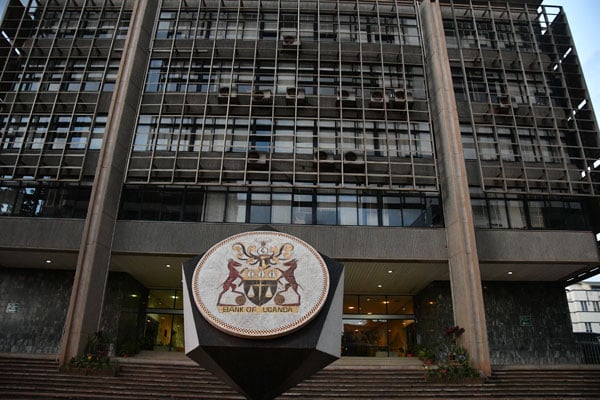
On Wednesday, the Bank of Uganda did something it rarely does. It called an emergency meeting and raised its policy rate in one go, from 9.75% to 12%. That’s 2.25 percentage points, the biggest single move since 2011, and it takes borrowing costs to their highest level in almost ten years.
Most of the coverage so far has said the obvious: loans will get more expensive. That’s true, but it’s only part of the story. Here is what we think business owners and finance teams in Uganda should actually be paying attention to.
Why it happened
The shilling has had a rough month. It crossed 4,000 to the dollar on 5 October and kept setting new lows. Oil importers have needed far more dollars because of the conflict in the Middle East, while fewer dollars have been flowing in.
A weaker shilling makes fuel, freight and imported goods dearer, and those costs eventually show up in prices. BoU now expects headline inflation to climb to around 7% over the next year, well above where it has been.
What the headlines missed
1. This hike is about the shilling, not about your spending.
Raising interest rates won’t make diesel cheaper. What it can do is make Ugandan shilling investments more attractive to foreign investors, which brings dollars in and steadies the currency. The market responded quickly: the shilling gained more than 2% within hours of the announcement.
There’s a wider point here. Government has made clear that it doesn’t want the central bank selling its dollar reserves to support the shilling. With that option off the table, interest rates are doing most of the heavy lifting, so they may need to stay high for longer than many people expect.
2. The quieter change may hurt more.
Since March, BoU has also raised the share of deposits banks must keep with it, earning nothing, from 9.5% to 13.5%. Every shilling parked there is a shilling banks can’t lend, and they’ll recover that cost through the rates they charge you.
Shilling lending rates were already around 18%. Don’t be surprised if overdraft and working-capital rates for smaller businesses reach the low 20s. In our experience, Ugandan banks pass on rate rises within weeks but take much longer to pass on cuts.
3. Government paper becomes the safe bet.
When banks can earn 15% or more lending to government with no risk, lending to an SME at 22% looks less appealing. Expect private credit to tighten more than the rate change alone suggests. Government’s own borrowing costs will also rise, so if you supply government, plan for slower payments.
4. Your “cheap” dollar loan may not be cheap anymore.
Many businesses switched to dollar loans at around 7% to avoid shilling rates. With the shilling down about 12% this year, a business earning in shillings is now effectively paying close to 20% on that loan. If you earn in shillings and owe in dollars, that mismatch needs a decision now, not at year-end.
5. Your December accounts will feel this.
This is where we expect to have the most conversations over the coming months:
-
Foreign exchange losses. Dollar-denominated balances will produce large losses.
-
Asset impairments. Higher interest rates reduce the value of future cash flows, which can trigger write-downs of goodwill and other assets.
-
Bad debts. Customers under pressure pay more slowly, and provisions will need to rise. This hits lenders, SACCOs and microfinance institutions hardest.
-
Loan covenants. Interest-cover and debt-service ratios may break, and a breached covenant can force long-term debt to be shown as current.
Businesses that spot these issues early can talk to their lenders and get waivers in place before the auditors arrive.
6. Some of your interest may stop being tax-deductible.
Uganda limits how much interest certain businesses, particularly group companies, can deduct for tax, broadly to 30% of earnings before interest, tax, depreciation and amortisation. As interest bills rise, more of it may fall above that cap, which pushes your effective tax rate up just as margins are squeezed. It’s worth running the numbers now.
7. Donor-funded organisations face a different problem.
NGOs funded in dollars, euros or pounds now receive more shillings for every unit of currency. That sounds like good news, but budgets prepared at 3,700 shillings to the dollar now have exchange gains and budget-line variances that donors will ask about. Many grant agreements have rules on how those gains can be used, so check them before spending.
8. The timing is awkward.
Importers are stocking up for the festive season and now face a weaker shilling and dearer credit at the same time. Expect leaner shelves, earlier price increases and tighter credit terms along the supply chain.
Who gains and who feels it
Under pressure:
-
importers and distributors;
-
businesses with dollar loans and shilling income;
-
real estate and construction;
-
government suppliers;
-
SACCOs and microfinance institutions on borrowed funding;
-
highly geared group companies.
Better placed:
-
exporters earning in dollars;
-
banks with strong deposit bases;
-
businesses with cash or fixed-rate debt;
-
pension funds and savers;
-
local manufacturers using local inputs.
Will rates come down soon?
Probably not quickly. BoU has said it is ready to act again if needed, and it has cut its growth forecast for this financial year to 6.0 – 6.5%. The real relief is likely to come when oil starts flowing and earning dollars, currently expected around mid-2027. Any delay there extends the squeeze.
What to do in the next 30 days
-
Stress-test your cash flow. Assume borrowing costs of 20–24% and an exchange rate of 4,000–4,300 to the dollar.
-
Talk to your bank early. Ask about fixing or capping rates, and how much notice you’ll get before they reprice.
-
Match currencies where you can. Pair dollar debt with dollar income, price in dollars where your market allows, and add price-adjustment clauses to long contracts.
-
Check your loan covenants before your year-end test date, not after.
-
Tighten working capital. Shorten customer credit terms and review stock levels.
-
Review your tax position on interest deductibility and the timing of exchange losses.
-
Prepare early for audit. Start impairment reviews, bad-debt provisions and going-concern assessments now.
How Nexia Uganda can help
We work with businesses, financial institutions and not-for-profits across Uganda on exactly these issues:
-
cash-flow stress testing;
-
lender negotiations;
-
tax reviews;
-
IFRS year-end readiness;
-
donor fund reporting.
If this hike has you wondering what it means for your numbers, let’s talk before your bank calls you.
Contact us: [email protected] | +256 793 886 240 | nexia.ug